You do not plan to break down on a back road or lose power on the water, which is exactly why a vehicle and boat emergency kit matters. A kit that lives in the truck or under the console turns a bad day into a manageable one. Here is what to put in it, and how to pack it so it is still usable in five years.
First aid and bleeding control
- A general first aid kit for cuts, burns and blisters
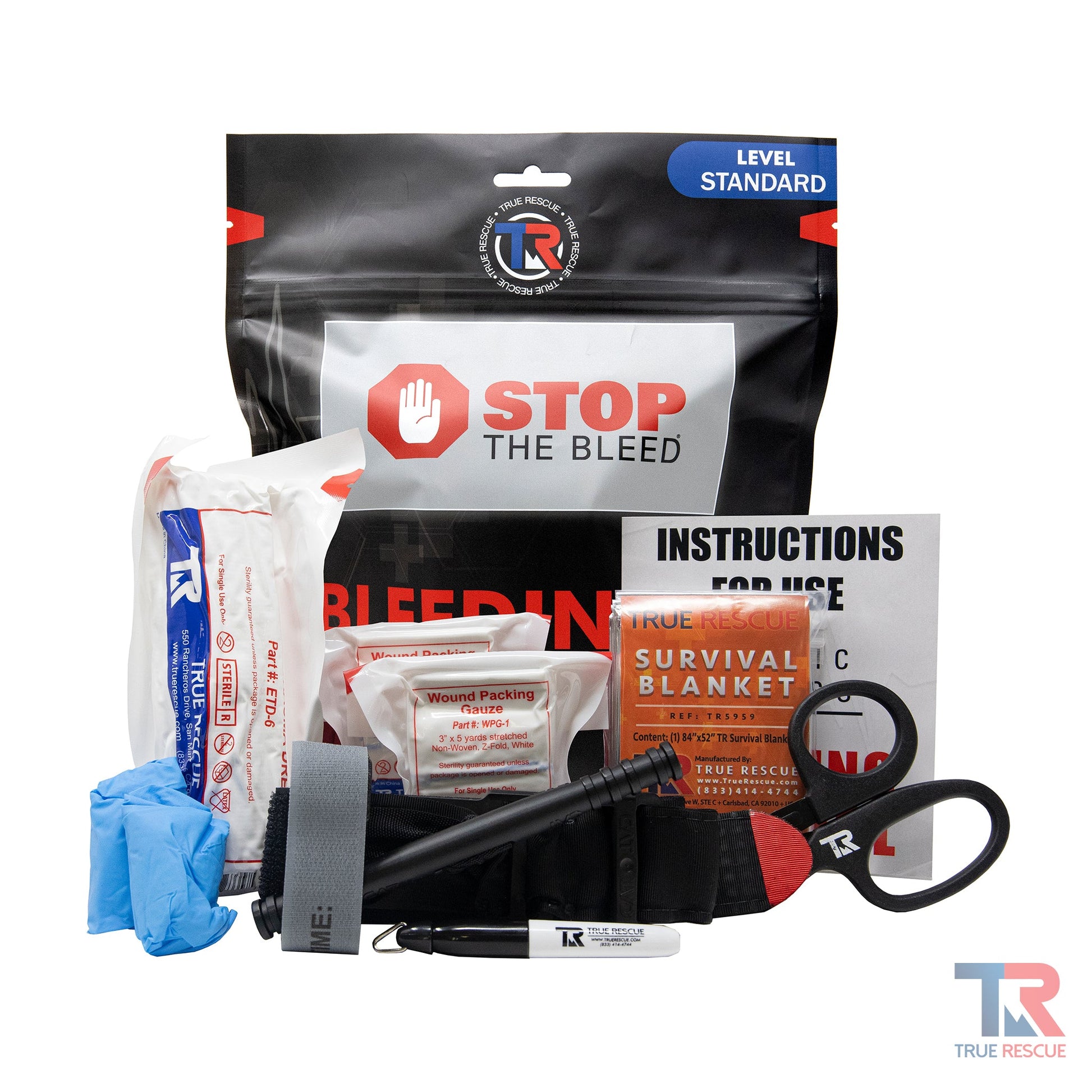
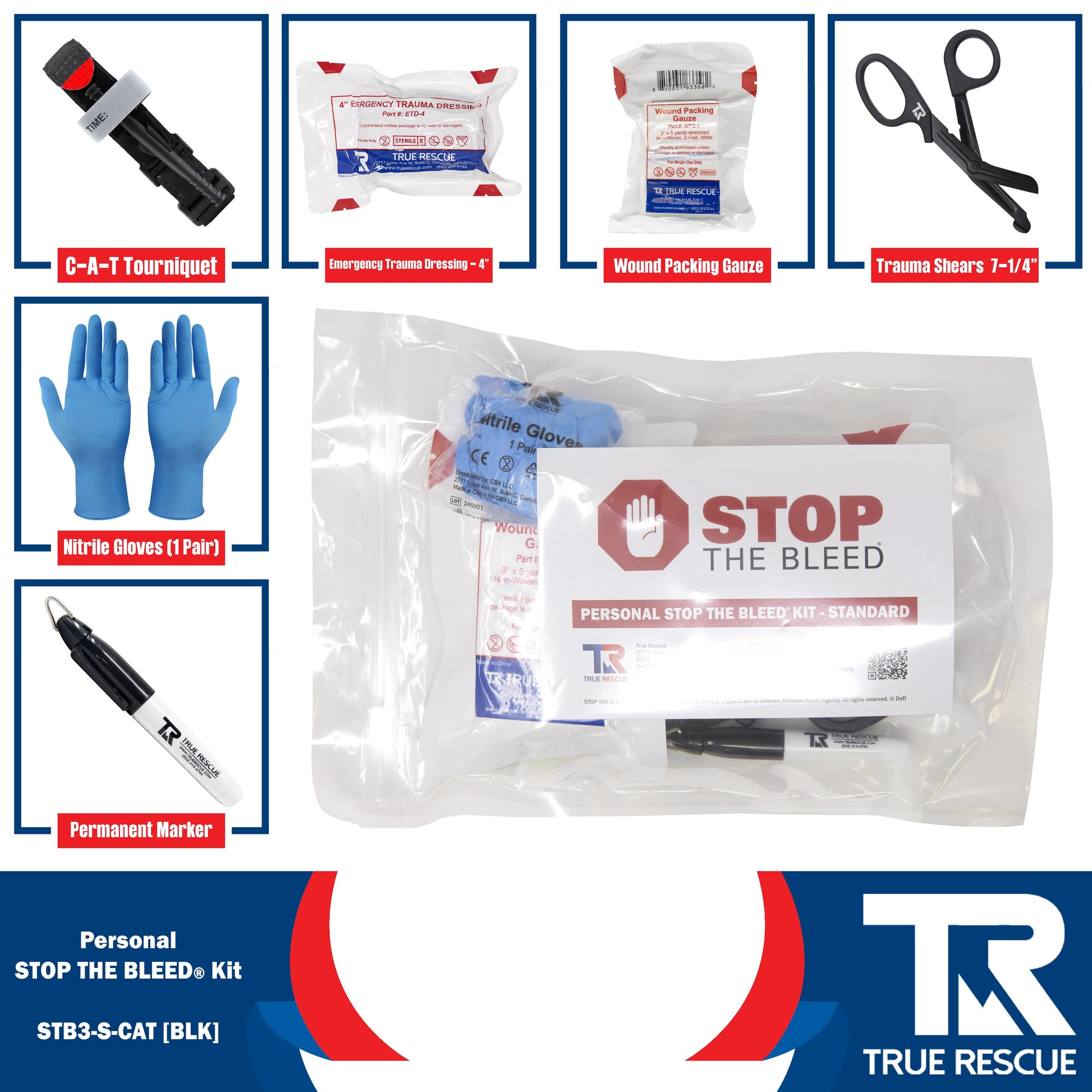
- A STOP THE BLEED kit with a tourniquet, wound packing gauze, trauma dressing, gloves and shears
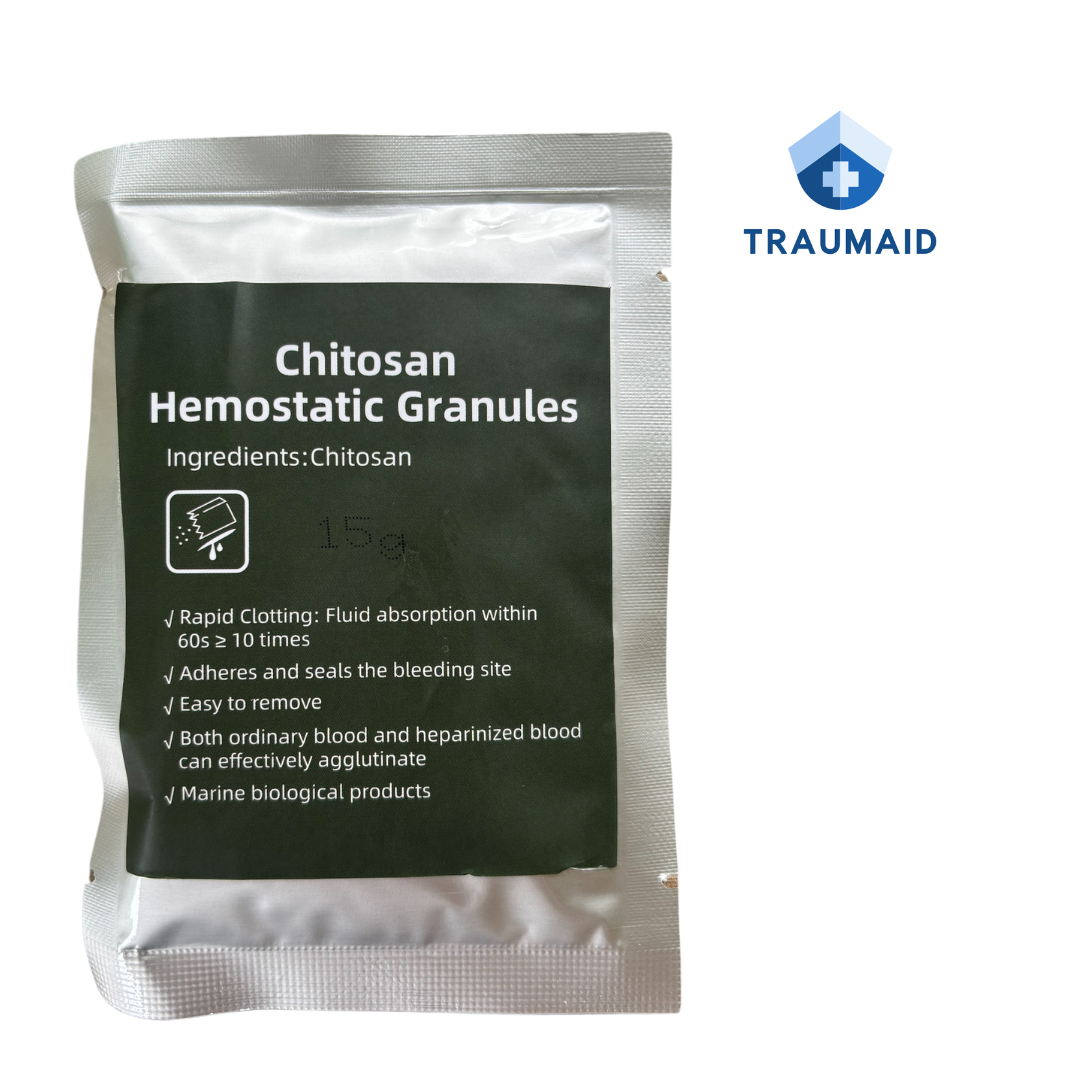
- Hemostatic granules
- Personal meds
Vehicle crashes and boating accidents are among the situations where bleeding control can save a life before help arrives. Take a STOP THE BLEED class so you can use what you carry.
Light and power
- A bright flashlight like the E9R GEN4 plus spare 18650 batteries
- Headlamp
- Power bank and charging cables
Tools and recovery
- Multitool and a fixed-blade knife
- Duct tape, zip ties and paracord
- Bungee cords with hooks and steel carabiners
- Jumper cables or a jump pack (vehicle)
- Tow strap and gloves (vehicle)
- Spare line, fuses and a bailer (boat)
Water, food and warmth
- Water and a collapsible water bottle
- High-calorie snacks
- Emergency blankets and a warm layer
- Rain poncho
Signaling and navigation
- Whistle and signal mirror
- Flares or an electronic distress light (required on many boats)
- Paper map of your area
Documents
- Copies of registration, insurance and ID
- Emergency contacts on paper
- Some cash
How to pack it so it lasts
Vehicles bake in summer and sweat in winter. Boats are always wet. That combination ruins gauze, rusts tools and dissolves paper. Split your kit into sealed, waterproof pouches by category:
- Medical: Waterproof Field Kit or a Large Waterproof MOLLE Pouch
- Electronics and documents: Waterproof Admin Pouch
- Quick-grab items: a MOLLE pouch strapped to a seat back or boat rail
Every SealBag is IP67 rated and seals with a single waterproof zipper, so it opens fast and closes the same way every time. Stock up in Fill Your Bag.
Check it twice a year
Swap batteries, replace expired medical supplies and rotate water and food when the clocks change in spring and fall.
FAQ
Where should I keep an emergency kit in a truck?
Somewhere you can reach from the driver's seat or after a rollover, like behind a seat or strapped to a seat back, not buried under gear in the bed.
What does the Coast Guard require on a boat?
Requirements depend on boat size and where you operate, but typically include life jackets, a sound-producing device, visual distress signals and a fire extinguisher. Check current U.S. Coast Guard rules for your boat.