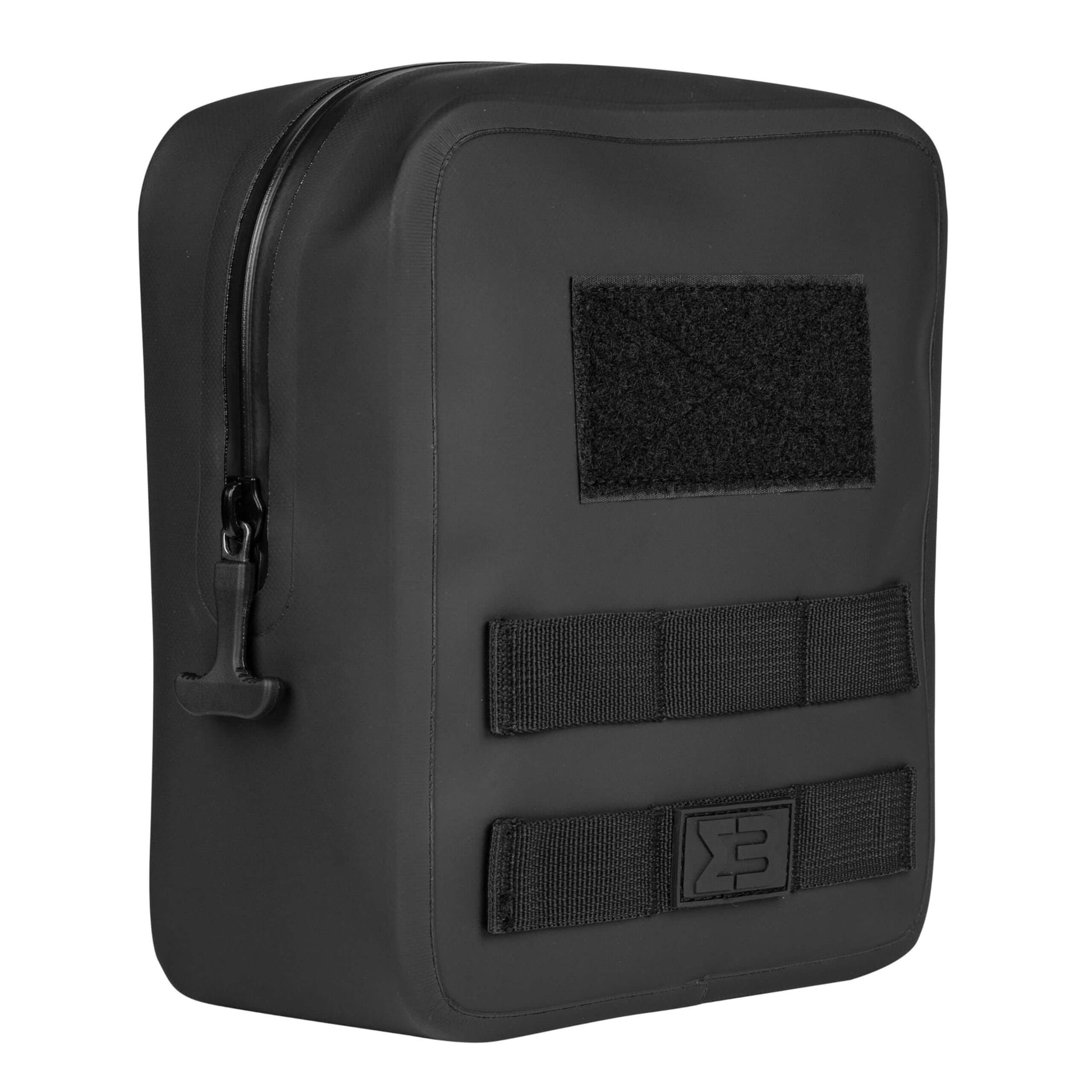
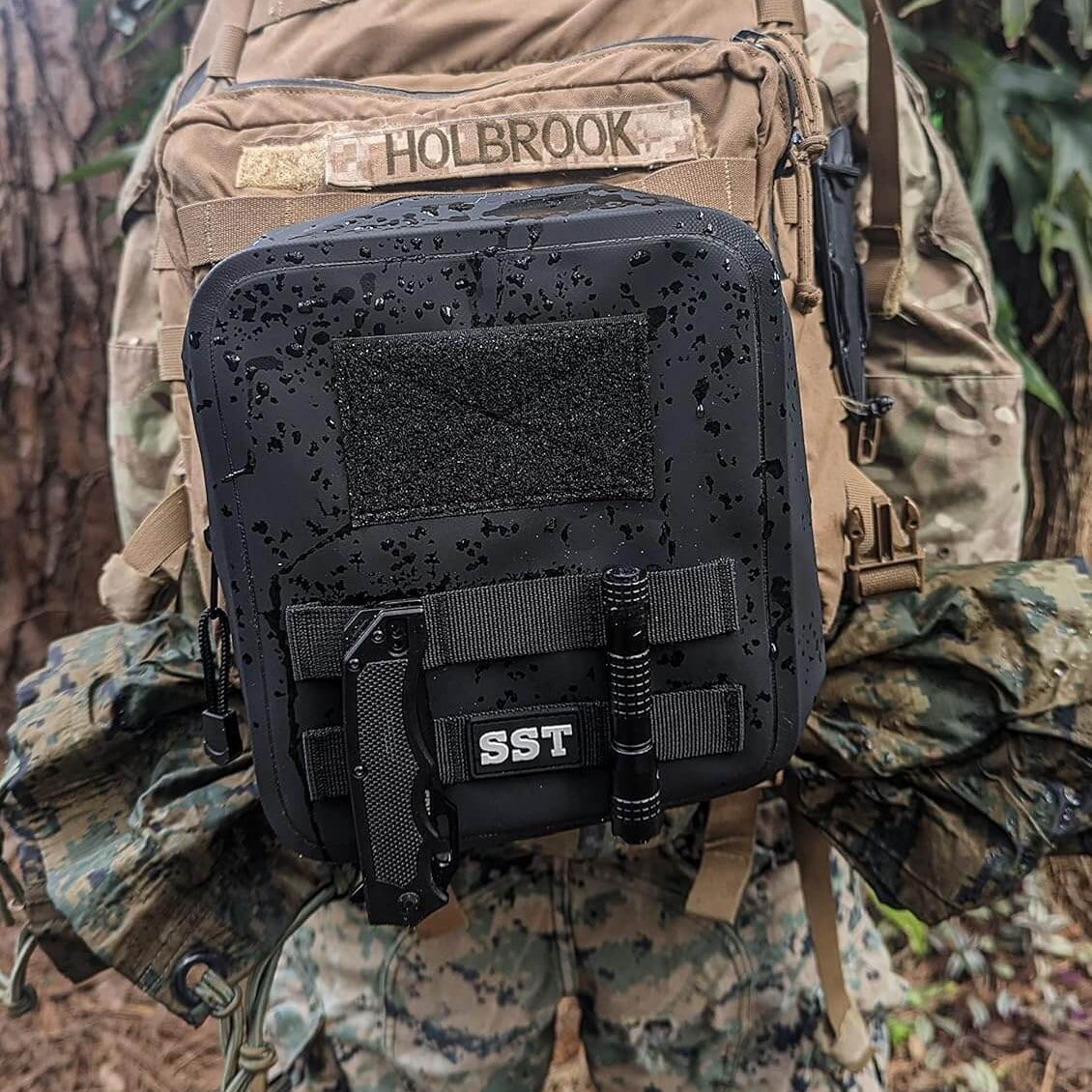
MOLLE is the most flexible way to carry gear: packs, belts, plate carriers, vehicle seat backs, boat rails. The problem is that almost every MOLLE pouch is made of nylon, and nylon gets wet. Stitching wicks water, zippers leak and whatever is inside ends up damp. If you carry electronics, medical supplies, ammo or anything else that cannot get wet, you need a waterproof MOLLE pouch, not a water resistant one.
Water resistant vs. waterproof vs. submersible
- Water resistant: sheds light rain and splash for a while. Coated nylon and DWR finishes fall here.
- Waterproof: keeps water out under sustained rain and spray. Requires welded or sealed seams and a sealed closure.
- Submersible: keeps water out when fully under water. This is where IP ratings come in.
What IP67 actually means
IP (Ingress Protection) ratings have two digits. The first is dust, the second is water.
- 6 = completely dust tight
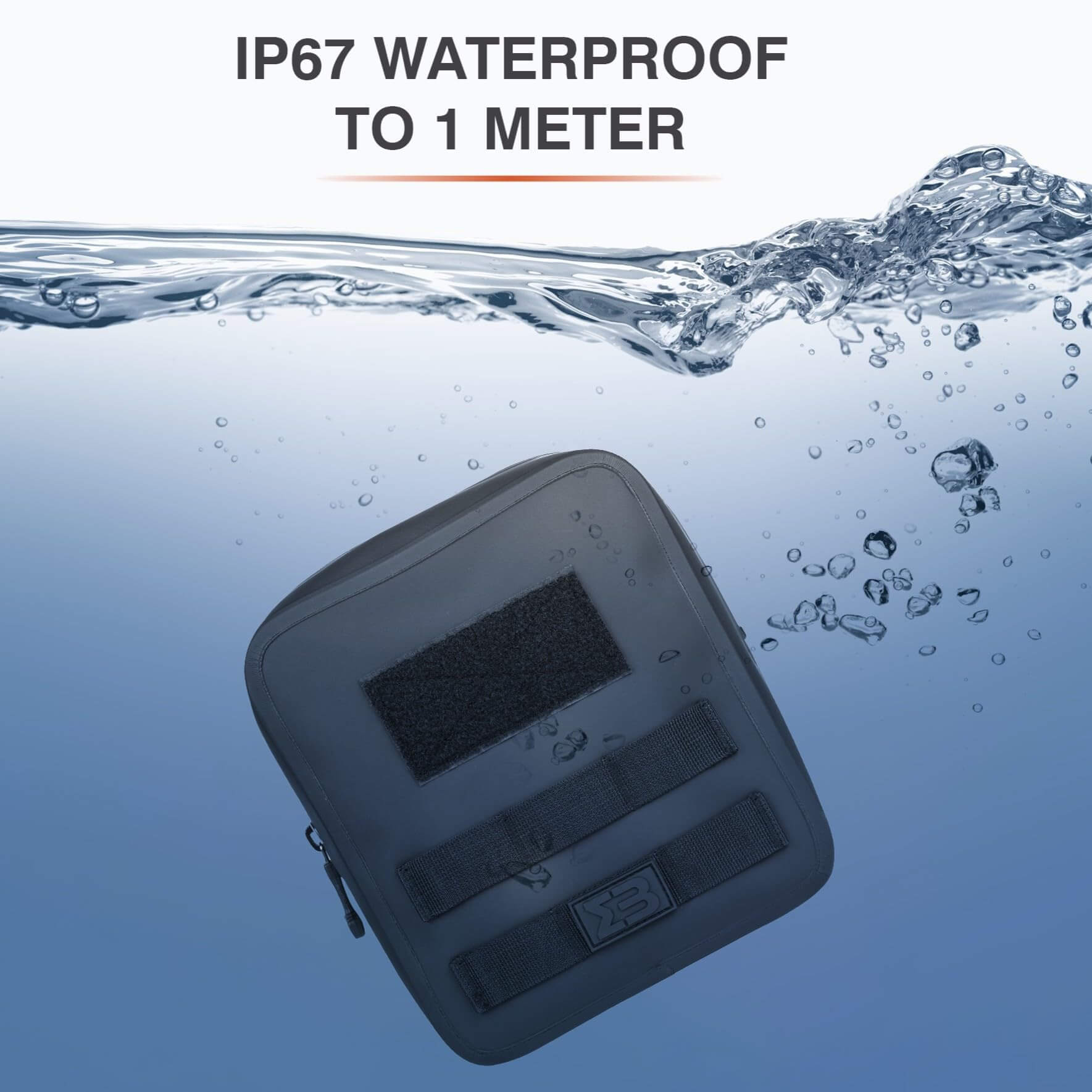
- 7 = protected against immersion to 1 meter for 30 minutes
An IP67 waterproof pouch will survive a kayak roll, a river crossing, a dropped pack in a creek or a boat deck full of spray. It is not a dive bag, but it covers almost everything that happens on the surface.
Zipper pouch vs. roll-top MOLLE dry bag
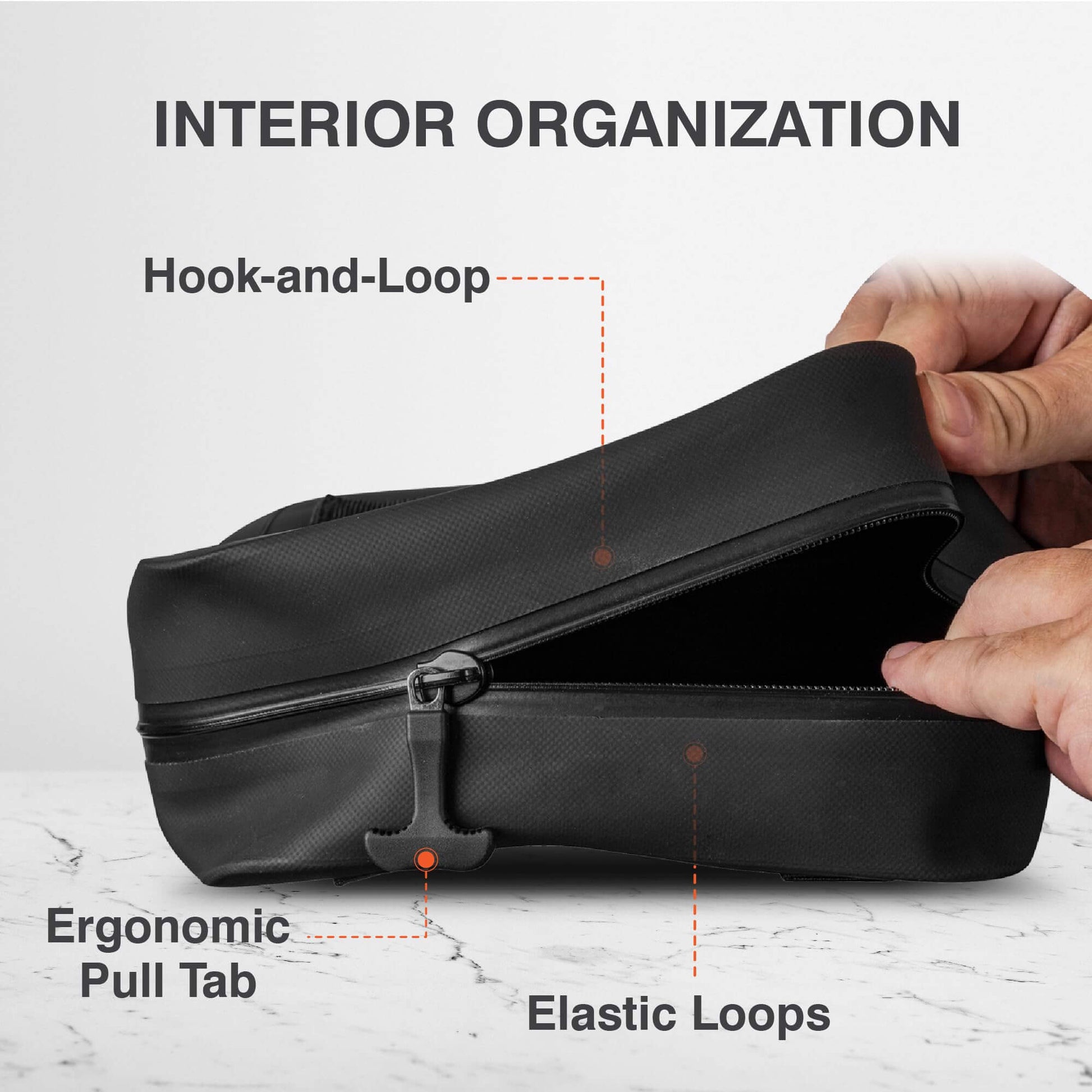
Most MOLLE dry bags use a roll-top closure: fold the top down several times and clip it. It works, but it is slow, bulky and only as good as your roll. A waterproof zipper, the same type used on dry suits, seals in one motion and gives you full access in one motion.
| Roll-top dry bag | Waterproof zipper pouch | |
|---|---|---|
| Seal consistency | Depends on the roll | Same every time |
| Access speed | Slow | Fast |
| Profile on MOLLE | Bulky top | Flat and clean |
| One-handed use | Hard | Easier |
What to look for
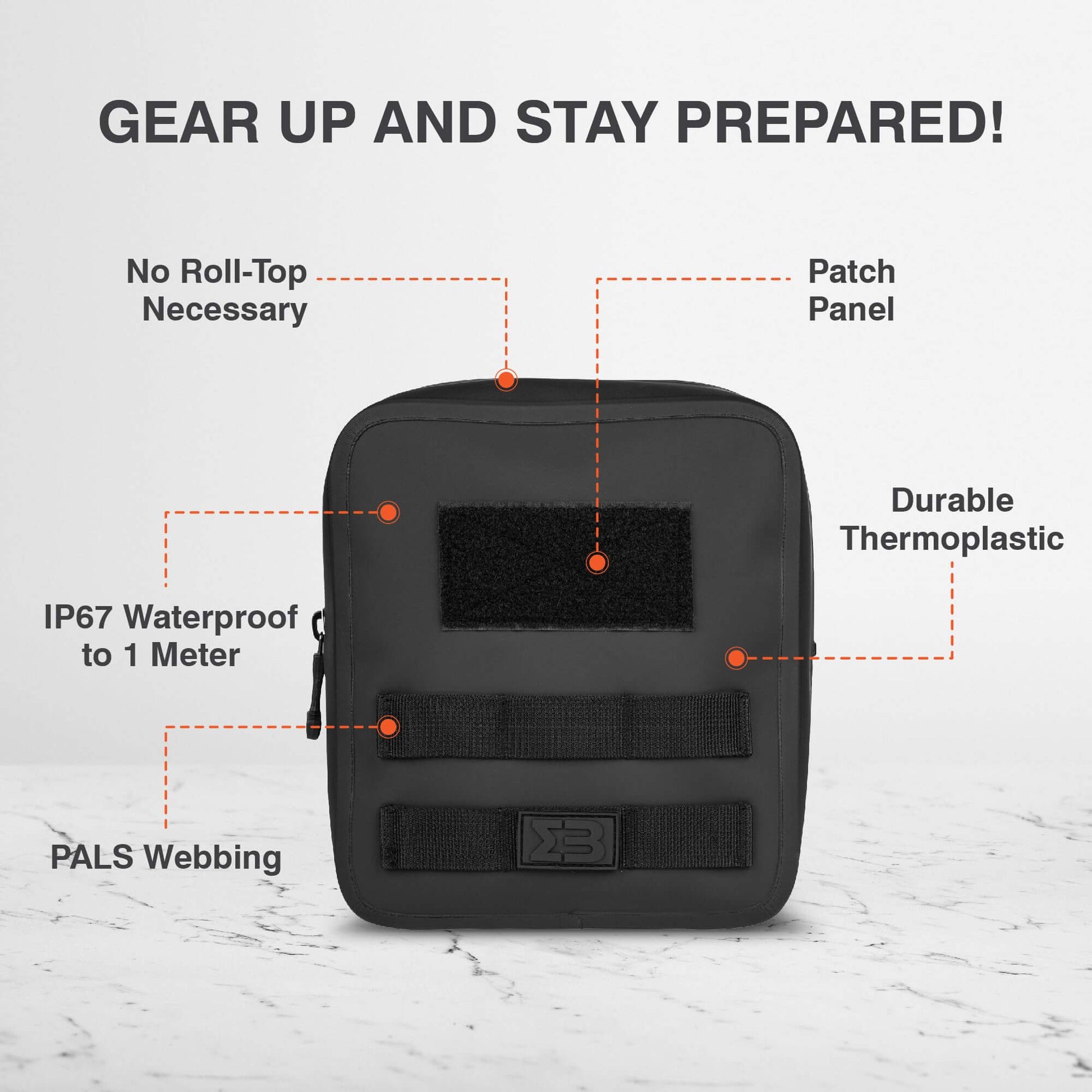
- A real IP rating, not just "waterproof" on the label
- TPU construction: thermoplastic polyurethane is flexible, abrasion resistant and does not wick like nylon
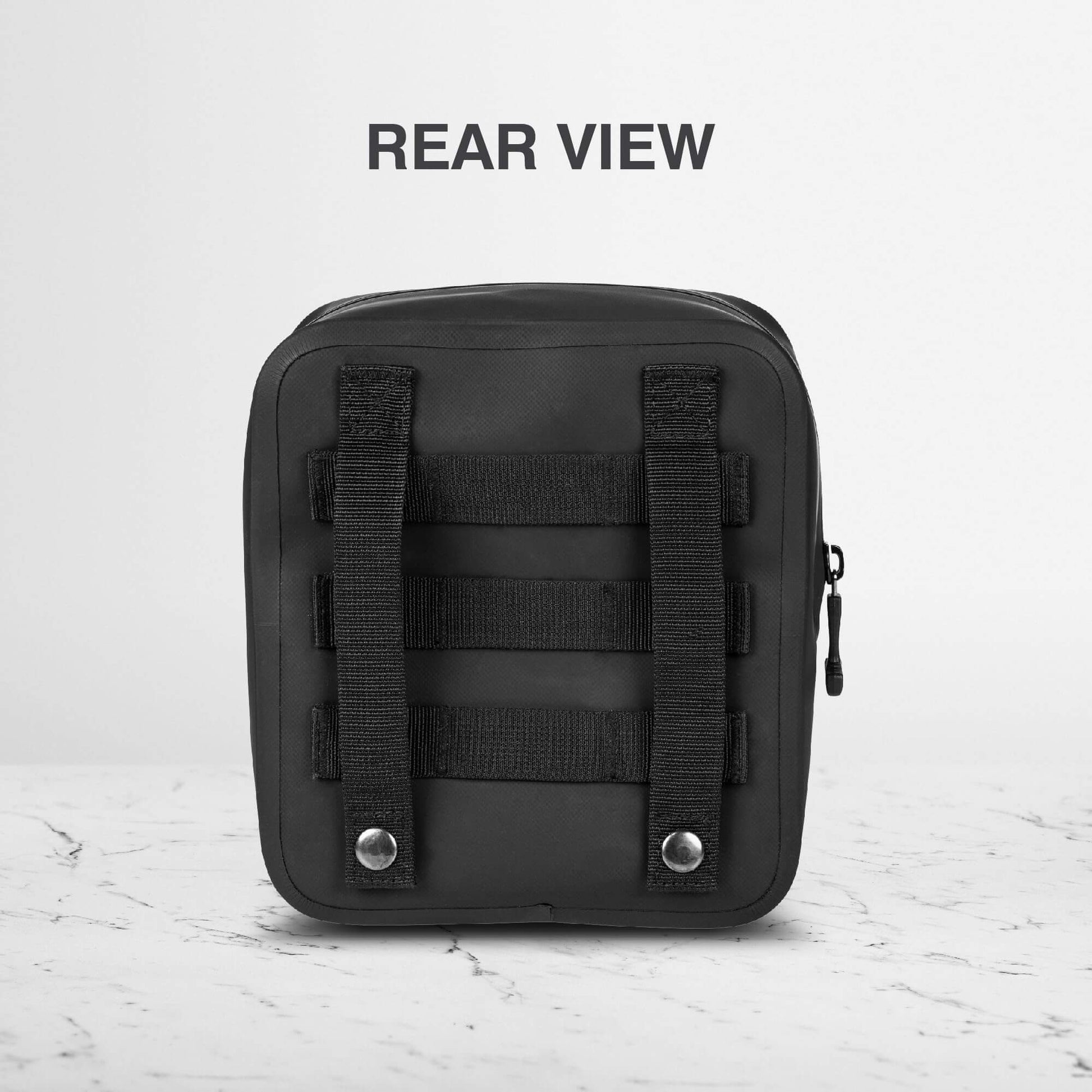
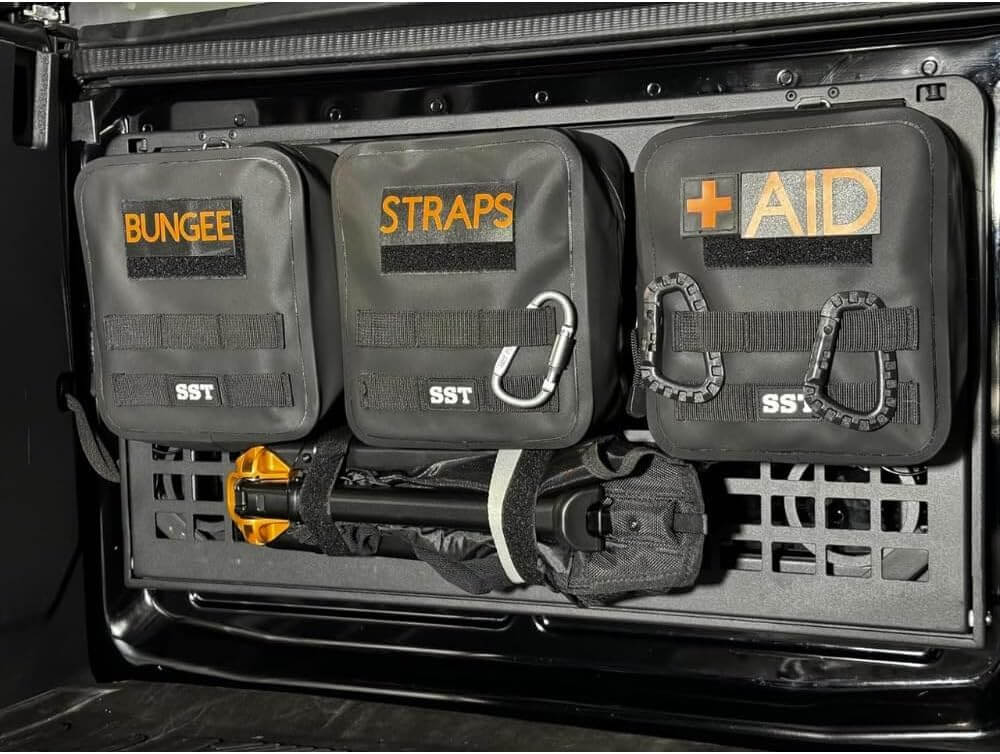
- True PALS/MOLLE compatibility so it mounts to standard webbing
- Interior organization so gear does not become a pile at the bottom
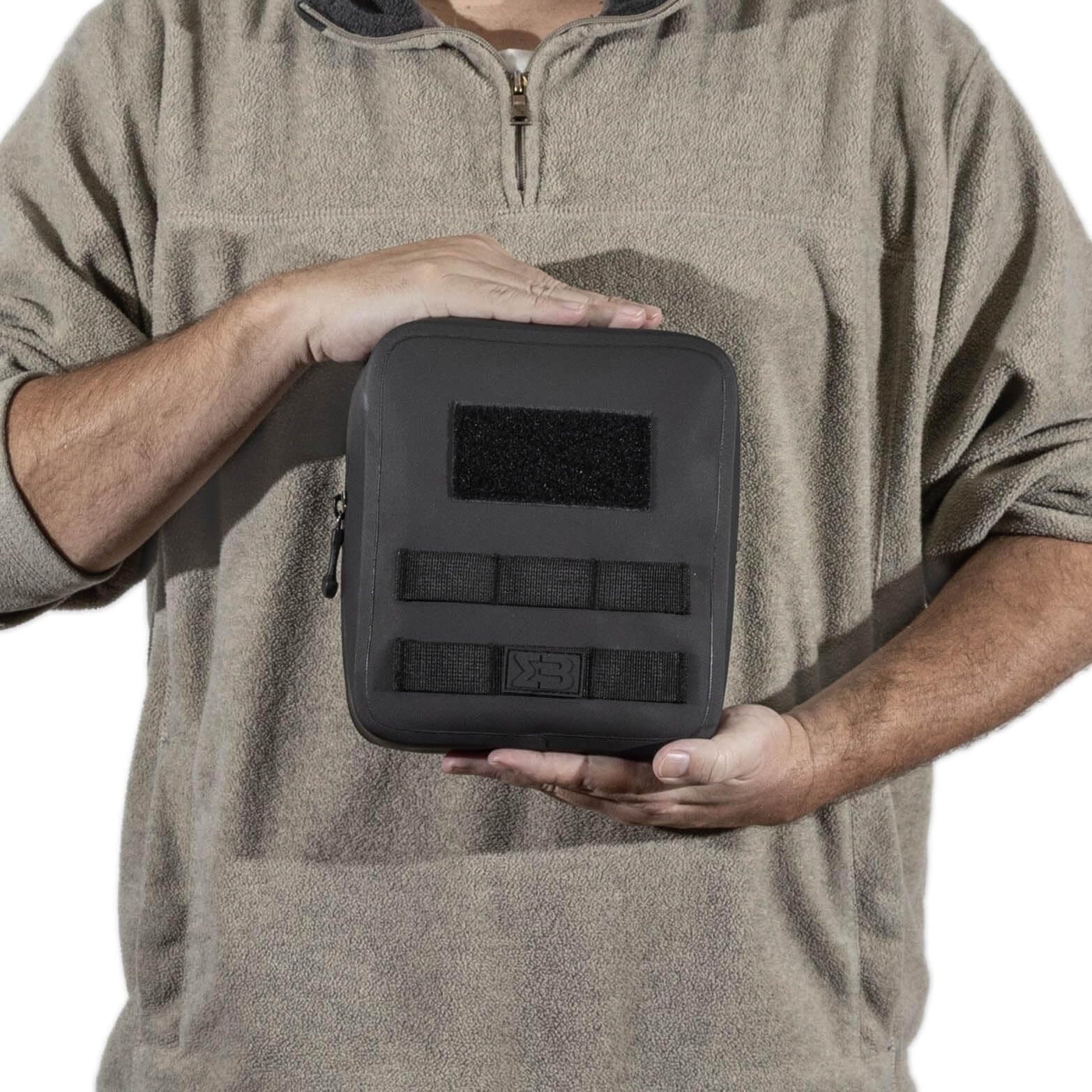
- A patch panel if you run morale or ID patches
What to pack in a waterproof MOLLE pouch
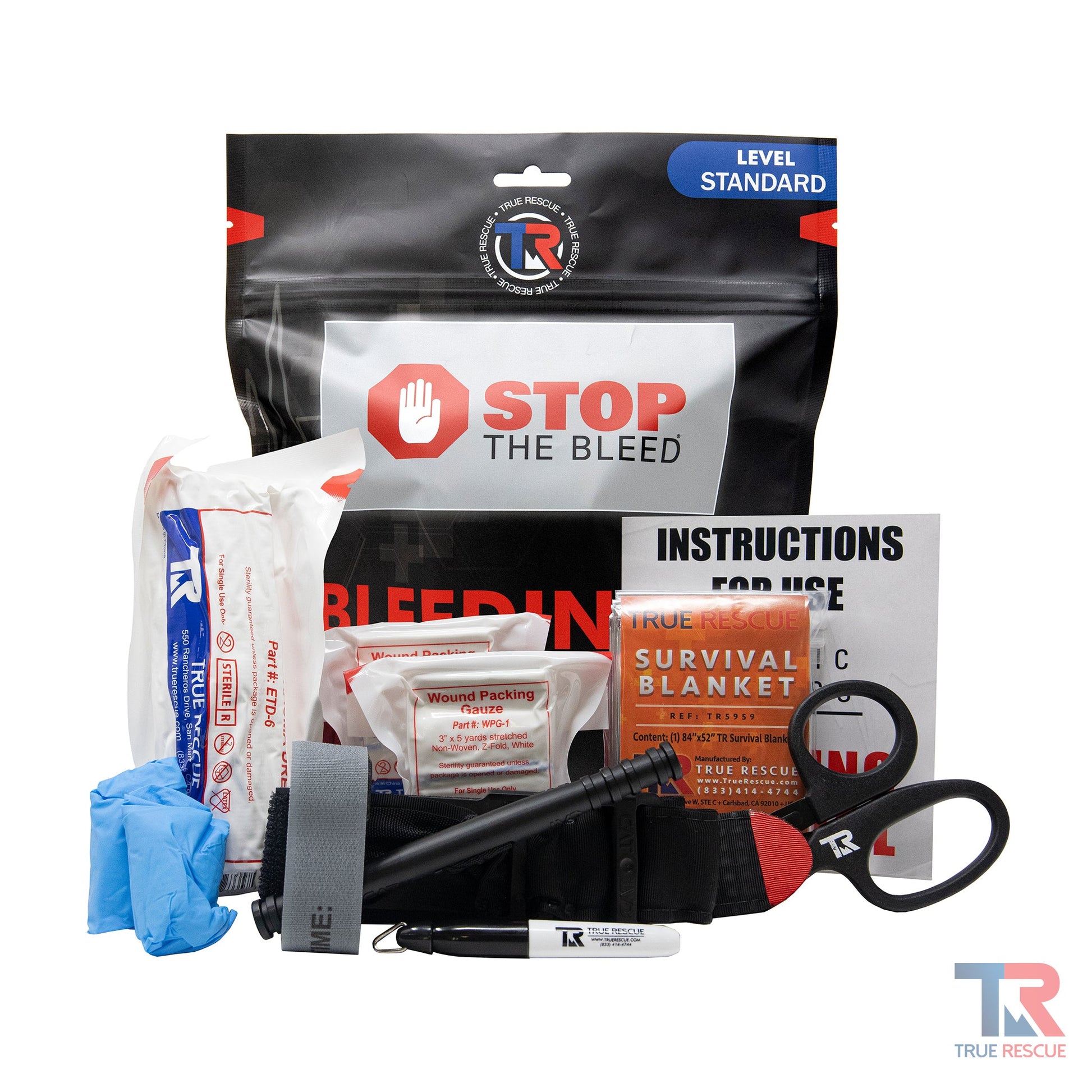
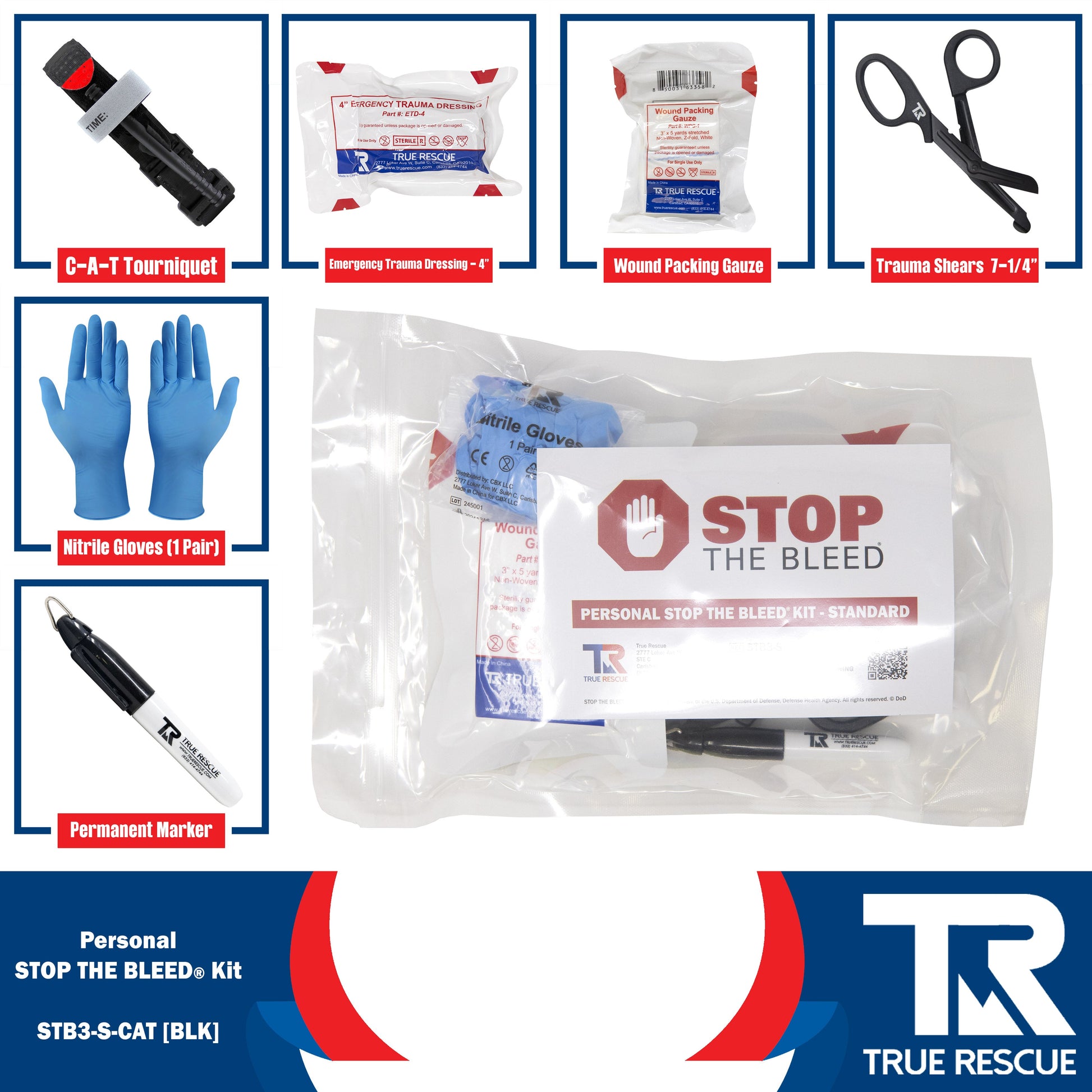
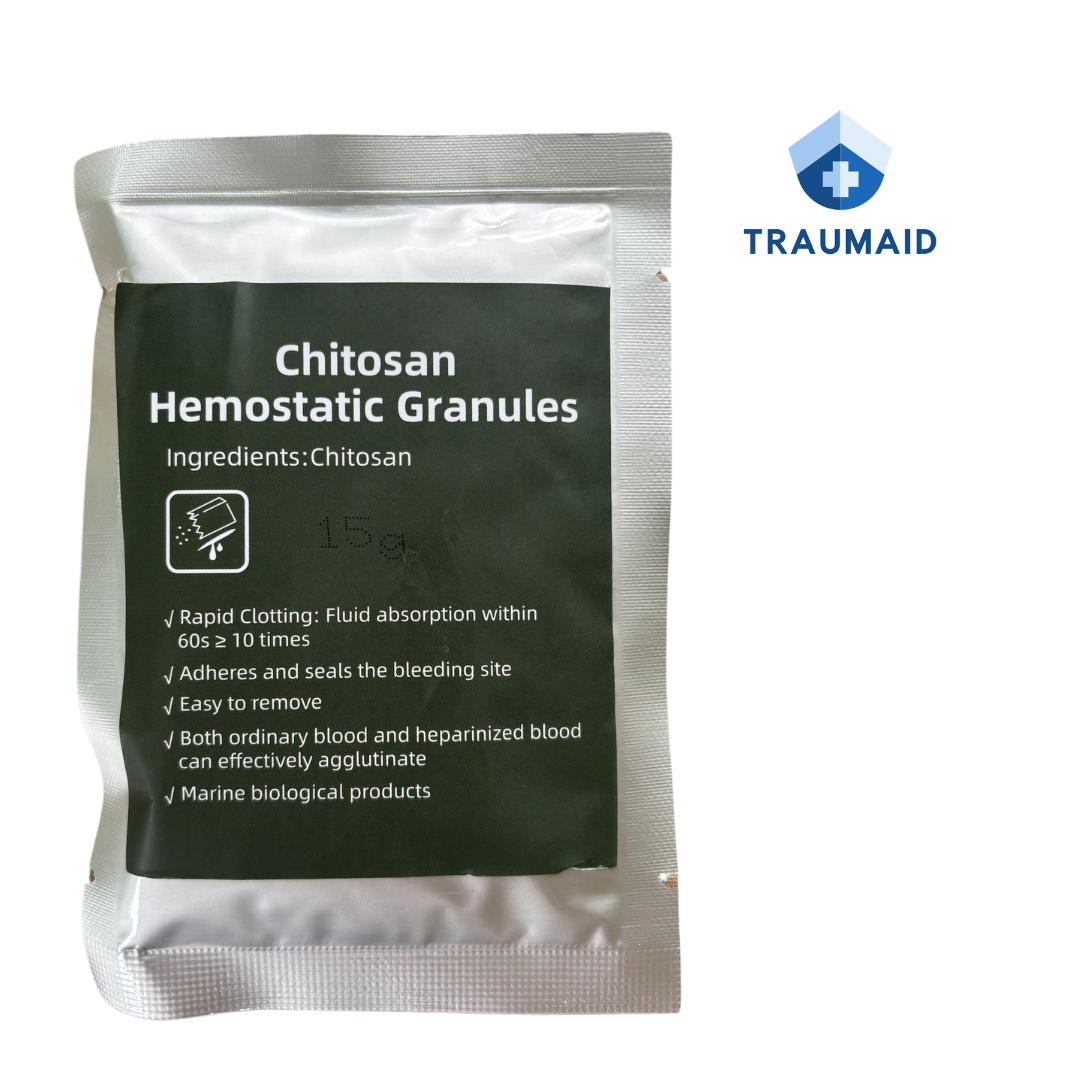
- IFAK and trauma gear: hemostatic gauze and tourniquets need to stay clean and dry
- Electronics: phone, radio, GPS, headlamp, spare batteries
- Fire: lighter, ferro rod, tinder
- Documents: wallet, license, maps
- Ammo on a boat or in the marsh
Where they shine
Kayaks and paddle boards, boat rails and T-tops, duck blinds, river crossings on a backpacking trip, vehicle seat backs and plate carriers in the rain. Anywhere nylon lets you down.
The SealBags lineup
Every SealBag uses the same idea: one waterproof zipper, one seal, no rolling and no clips. They are IP67 rated, built from TPU and designed by a USMC veteran.
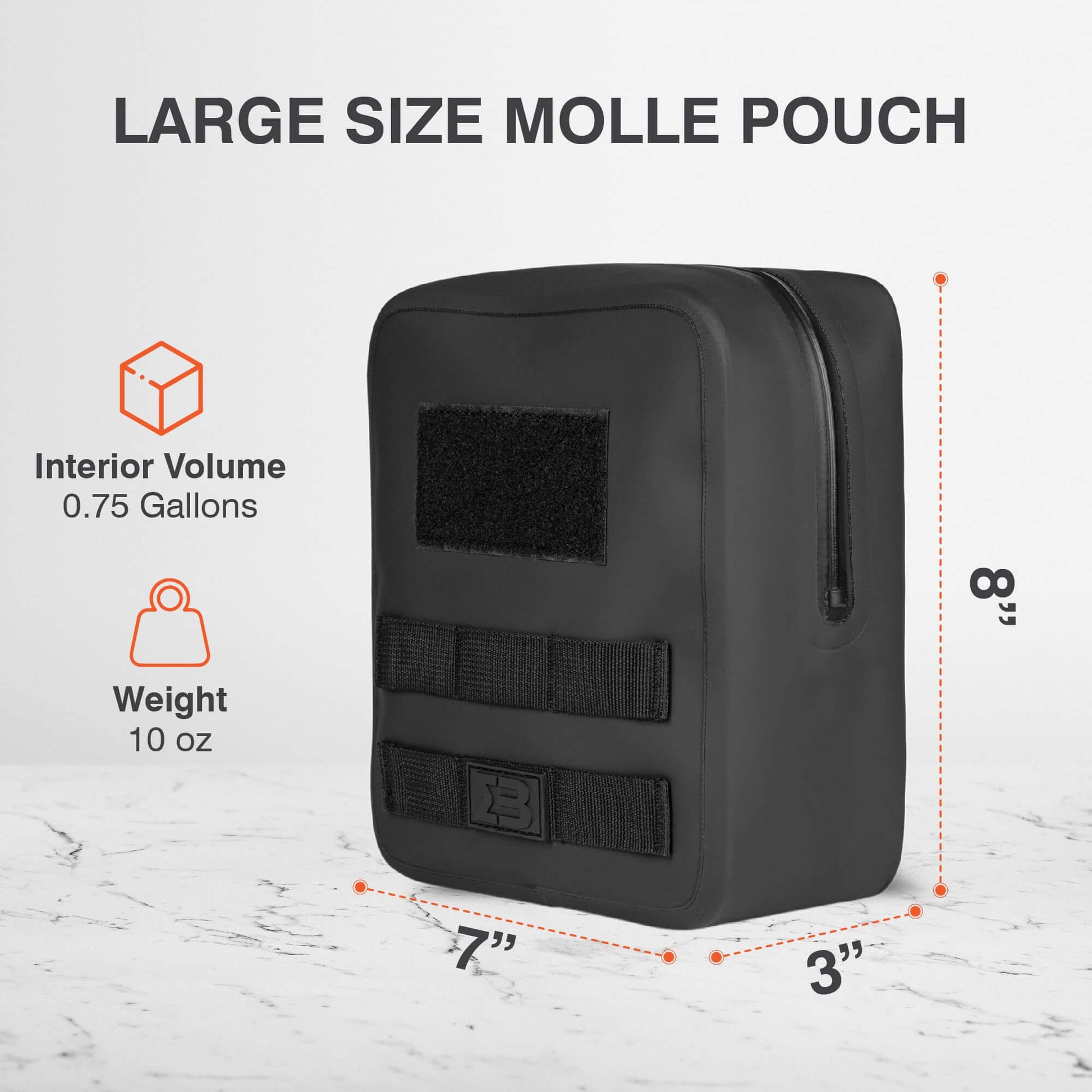
- Large Waterproof MOLLE Pouch: 8.5" x 7.5" x 3.8", room for a full IFAK or electronics kit
- Small Waterproof MOLLE Pouch: phone, keys, wallet and batteries on a belt or chest rig
- Waterproof Admin Pouch: cables, chargers and tech
- Waterproof Field Kit: toiletries, first aid or camp essentials
- Waterproof Shotgun Case: floating, zipper-sealed case for waterfowl hunters
FAQ
Are MOLLE pouches waterproof?
Most are not. Standard MOLLE pouches are nylon and only water resistant at best. Look for TPU construction, sealed seams and an IP rating.
Can I submerge a SealBags pouch?
Yes. Our waterproof pouches are IP67 rated, which covers immersion to one meter for 30 minutes.
Why is the waterproof zipper hard to close?
Waterproof zippers are stiff on purpose. The tight fit is what creates the seal. Pull firmly and close it all the way to the end stop.
Is a waterproof pouch better than a dry bag?
For gear that lives on MOLLE webbing, yes. A zipper pouch is flatter, faster to open and seals the same way every time.