Waterfowl season is hard on shotguns. Freezing rain, marsh water, sleet in the blind and the occasional boat that takes a wave over the bow all find their way into actions, triggers and optics. A soft padded case soaks it up like a sponge and holds it against your gun for the whole ride home. A waterproof shotgun case fixes that, but not all of them are built the same.
Here is how the three main types compare and what to look for before opening day.
The three types of waterproof gun case
1. Roll-top dry bag gun cases
The most common option is basically a long dry bag. You slide the gun in, fold the open end over three or more times and clip it shut.
- Pros: inexpensive, lightweight, most will float
- Cons: slow to open and close with cold hands, the seal depends on how carefully you rolled it, and the rolled end adds bulk and length
2. Hard cases with gaskets
Rotomolded or injection-molded hard cases with O-ring seals are excellent for air travel and truck storage.
- Pros: crush protection, lockable, airline friendly
- Cons: heavy, bulky in a blind or a layout boat, and awkward to carry across a marsh
3. Waterproof zipper gun cases
A newer design uses a true waterproof zipper, the same style of closure used on dry suits, to seal a soft case. You zip it shut and it is sealed.
- Pros: fast one-motion open and close, consistent seal every time, slim profile, light enough to carry on a shoulder strap
- Cons: waterproof zippers are stiff by design and take a firm pull
What to look for in a waterproof shotgun case
An actual IP rating
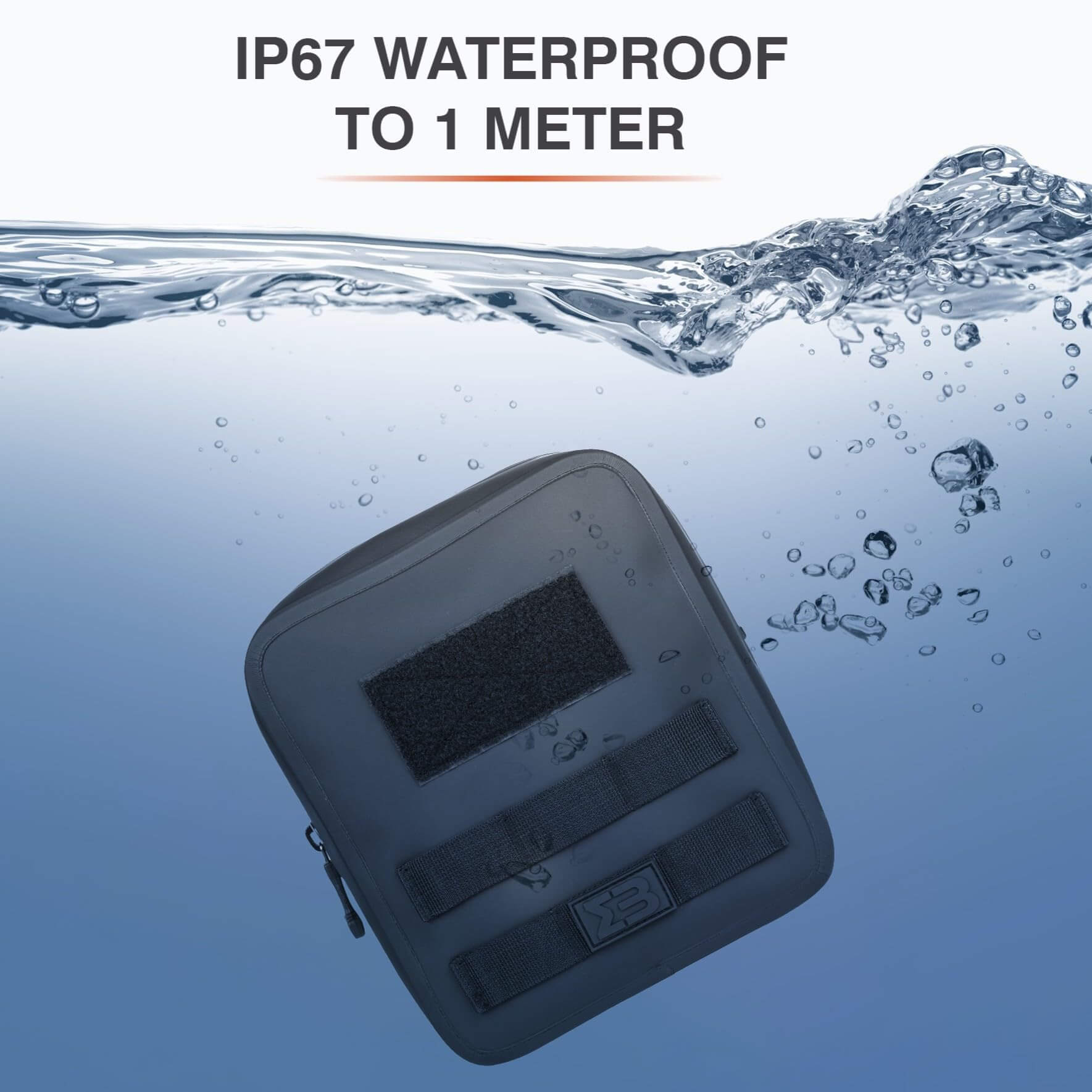
"Water resistant" is not waterproof. Look for an IP rating. IP67 means the case is dust tight and protects against immersion to one meter for 30 minutes. That covers a dunk off the side of a boat or a drop in the marsh.
Does it float?
A floating gun case is the difference between a wet gun and a lost gun. A sealed case traps air, so a well-sealed waterproof case will float with the shotgun inside. Roll-tops that were not rolled tight enough are where this goes wrong.
Length and optic clearance
Measure your shotgun end to end and note the height with any red dot or sight installed. Many cases force you to pull your optic. A case that fits the gun as you hunt it saves time and keeps your zero.
Carry
You will walk in with decoys, a blind bag and a thermos. A shoulder strap matters more than you think.
Quick comparison
| Roll-top | Hard case | Zipper case | |
|---|---|---|---|
| Submersible seal | Depends on the roll | Yes | Yes (IP67) |
| Floats | Usually | Varies | Yes |
| Open/close speed | Slow | Medium | Fast |
| Weight and bulk | Light | Heavy | Light |
| Best for | Budget | Air travel, storage | Blind, boat, field |
The SealBags Waterproof Shotgun Case
We built the SealBags Waterproof Shotgun Case because we were tired of rolling dry bags with numb fingers at 5 a.m. It seals with one waterproof zipper, is IP67 rated and fully submersible, and floats if it goes over the side.
- 53" x 12" exterior
- Fits shotguns up to 40" long and up to 8" tall with an optic mounted
- Works with most break-action, pump and semi-auto bird and waterfowl guns
- Adjustable shoulder strap for the walk to the blind
SealBags is designed by a USMC veteran and ships from Tampa, Florida.
Keep the rest of your kit dry too
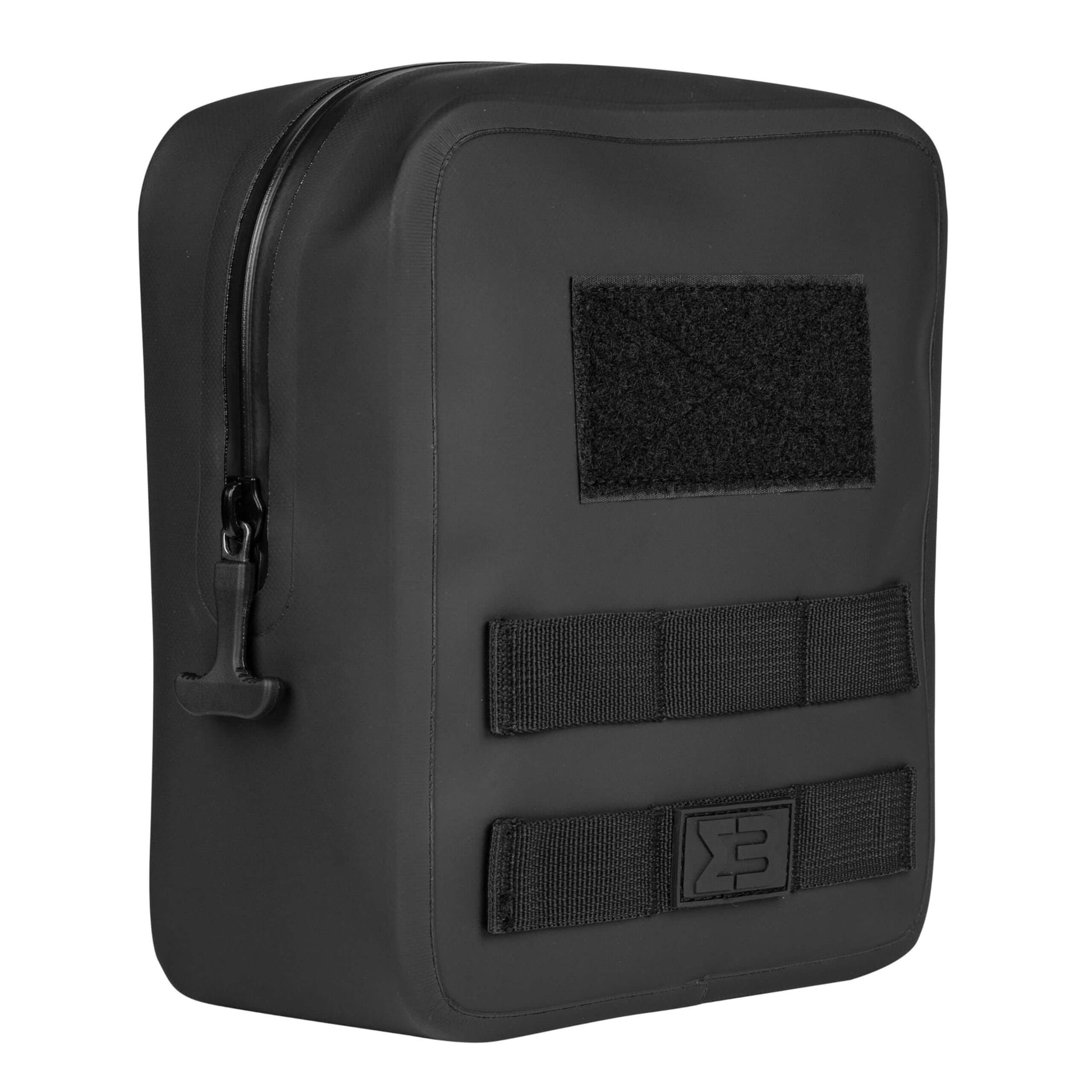
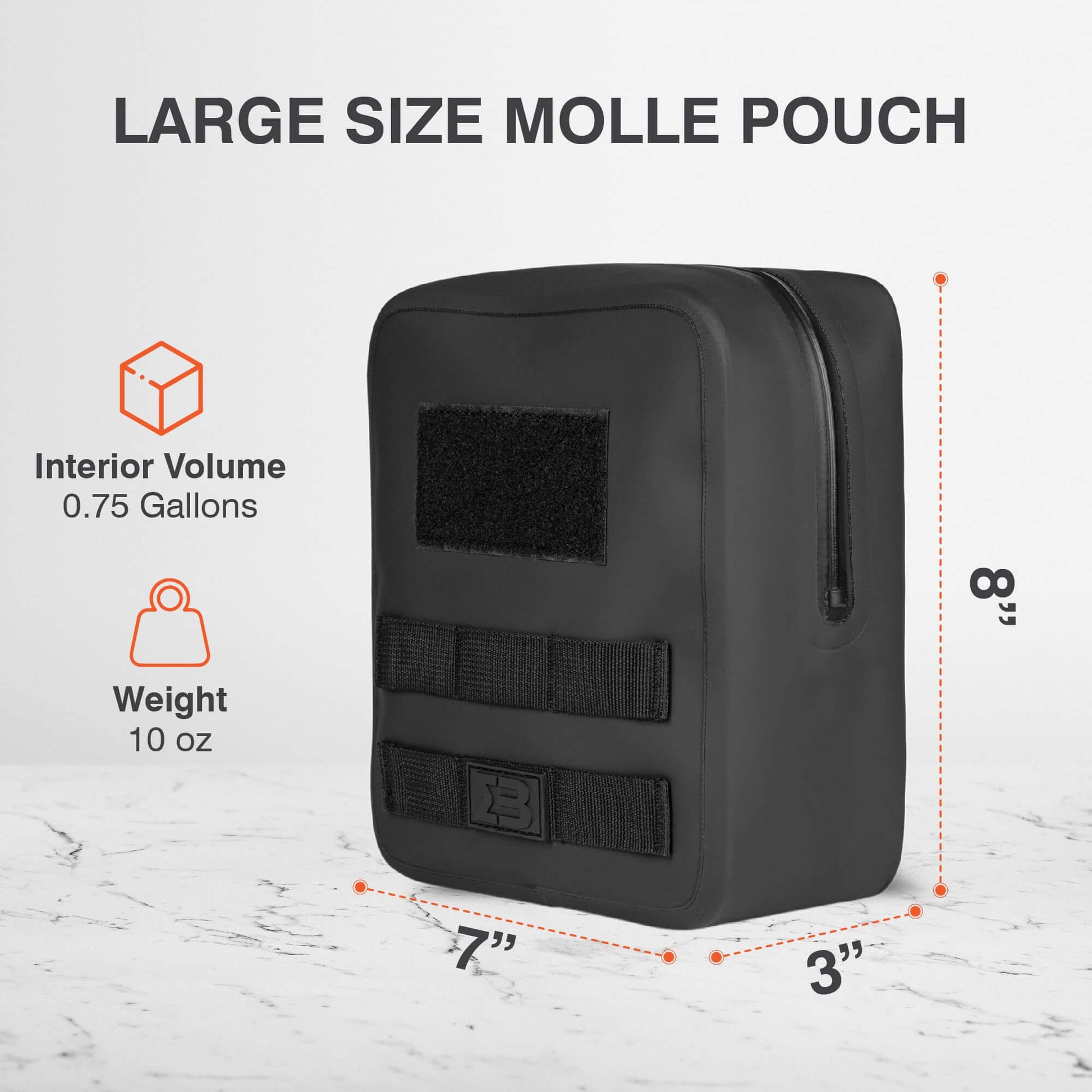
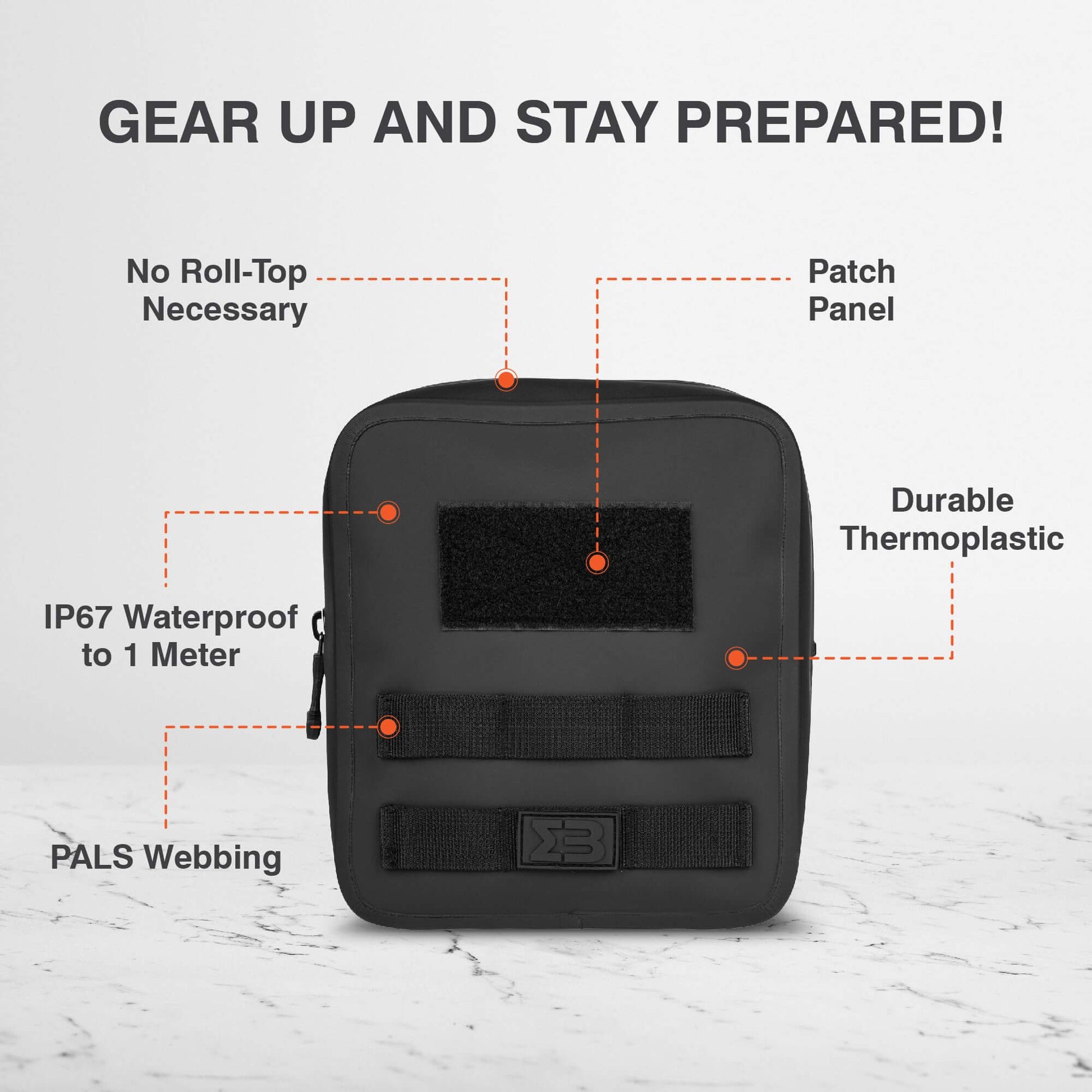
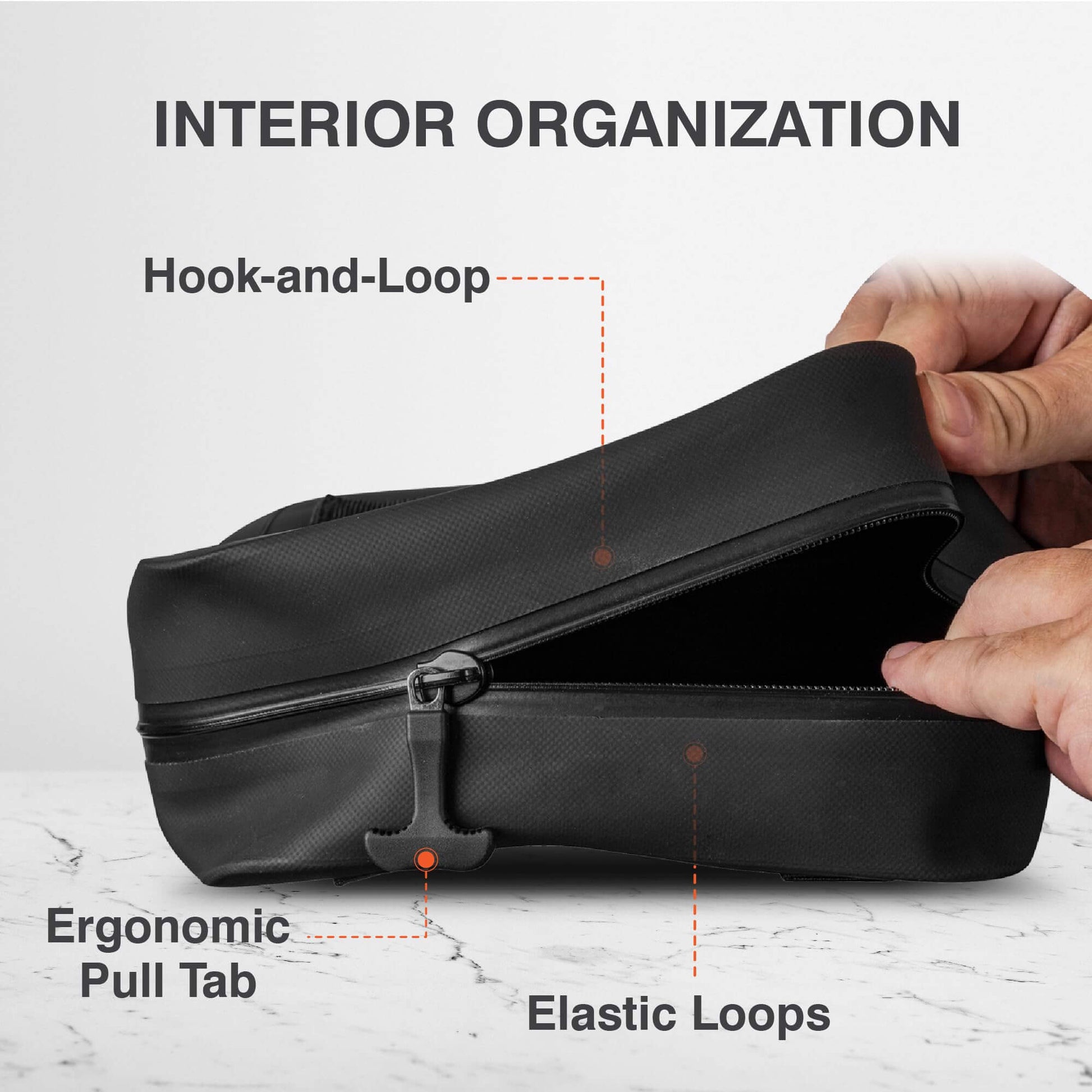
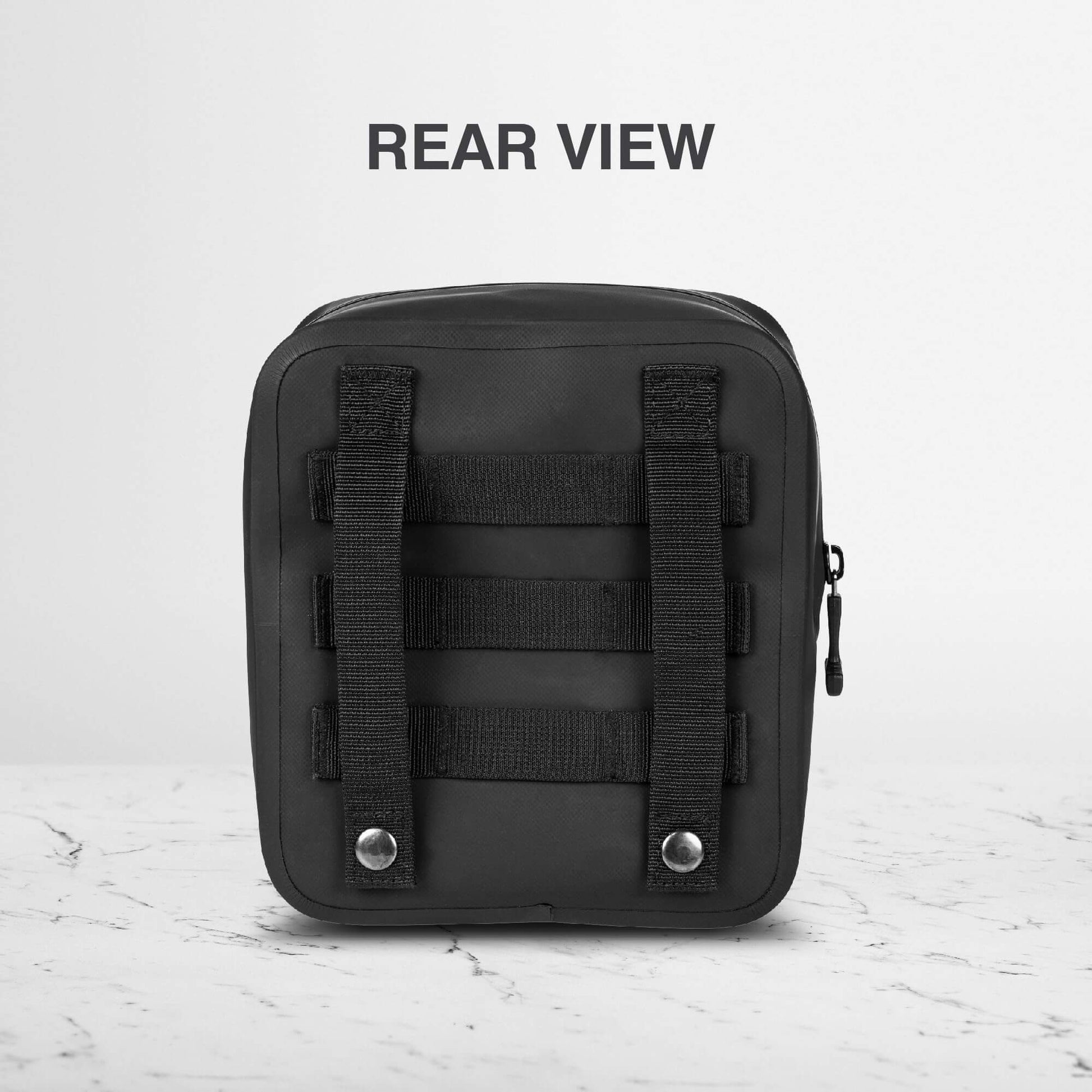
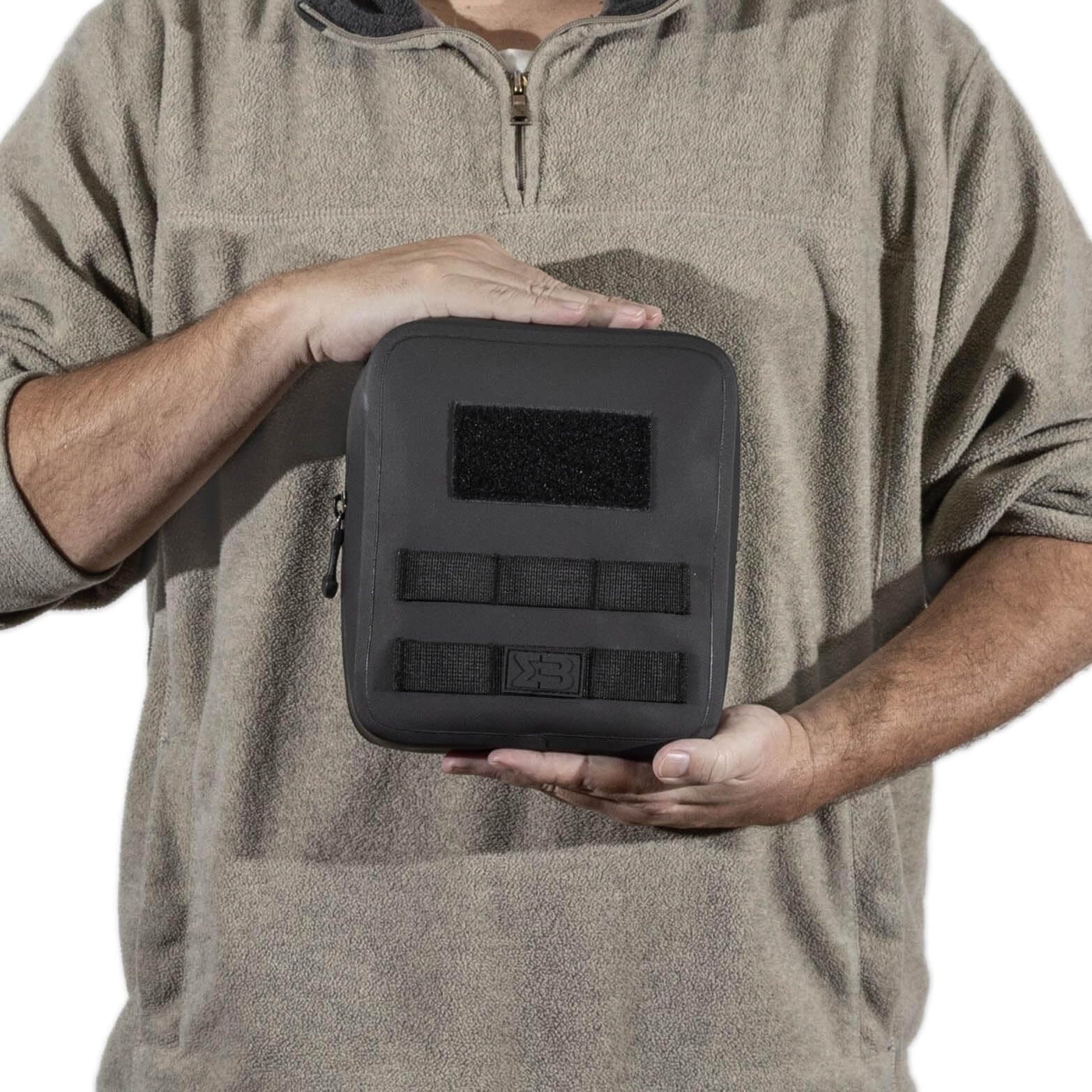
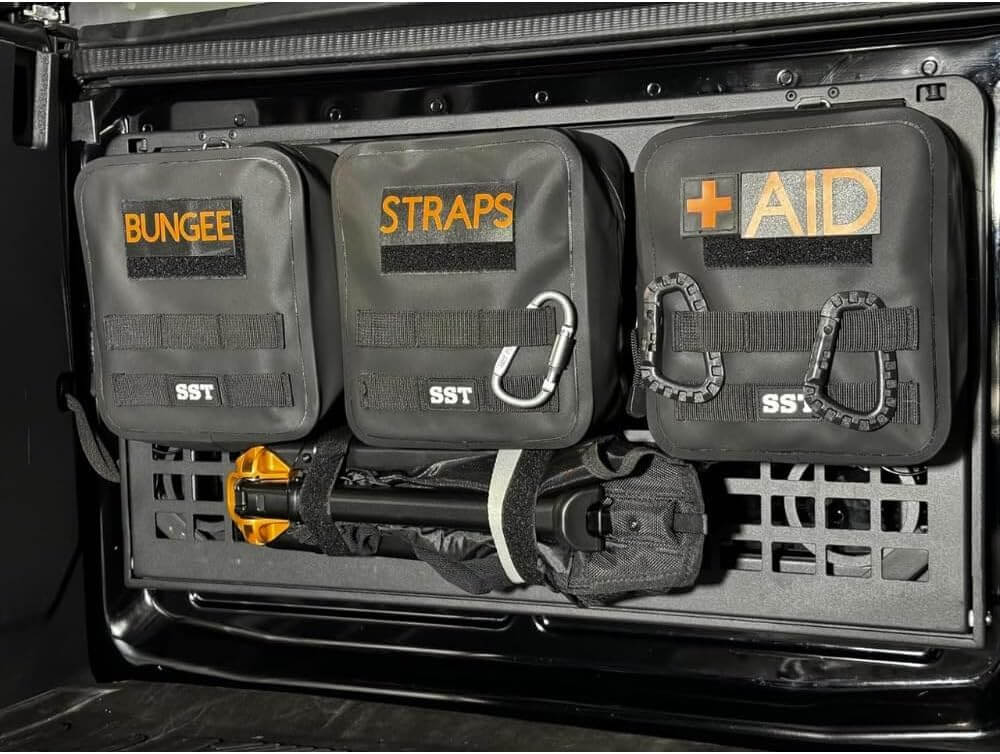
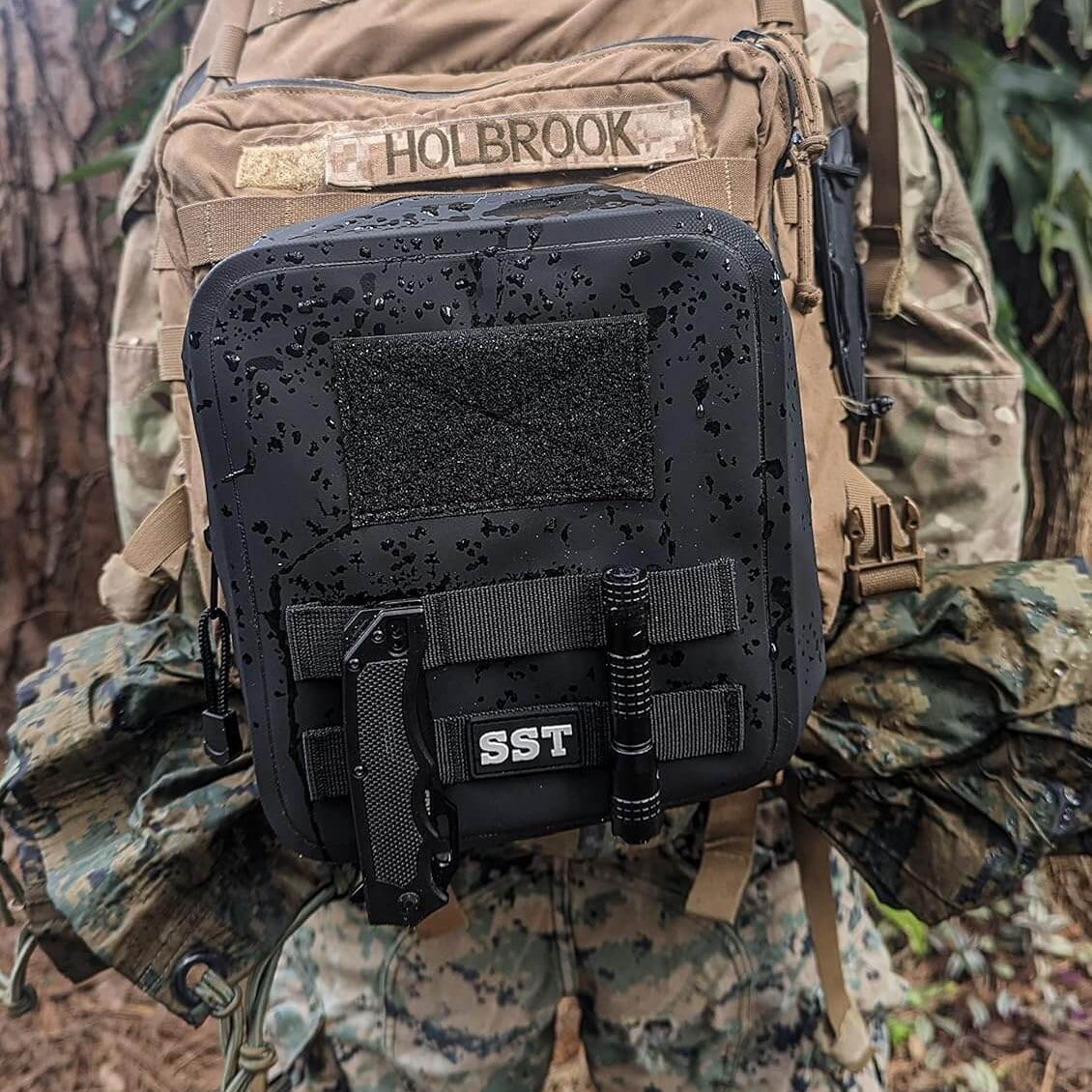
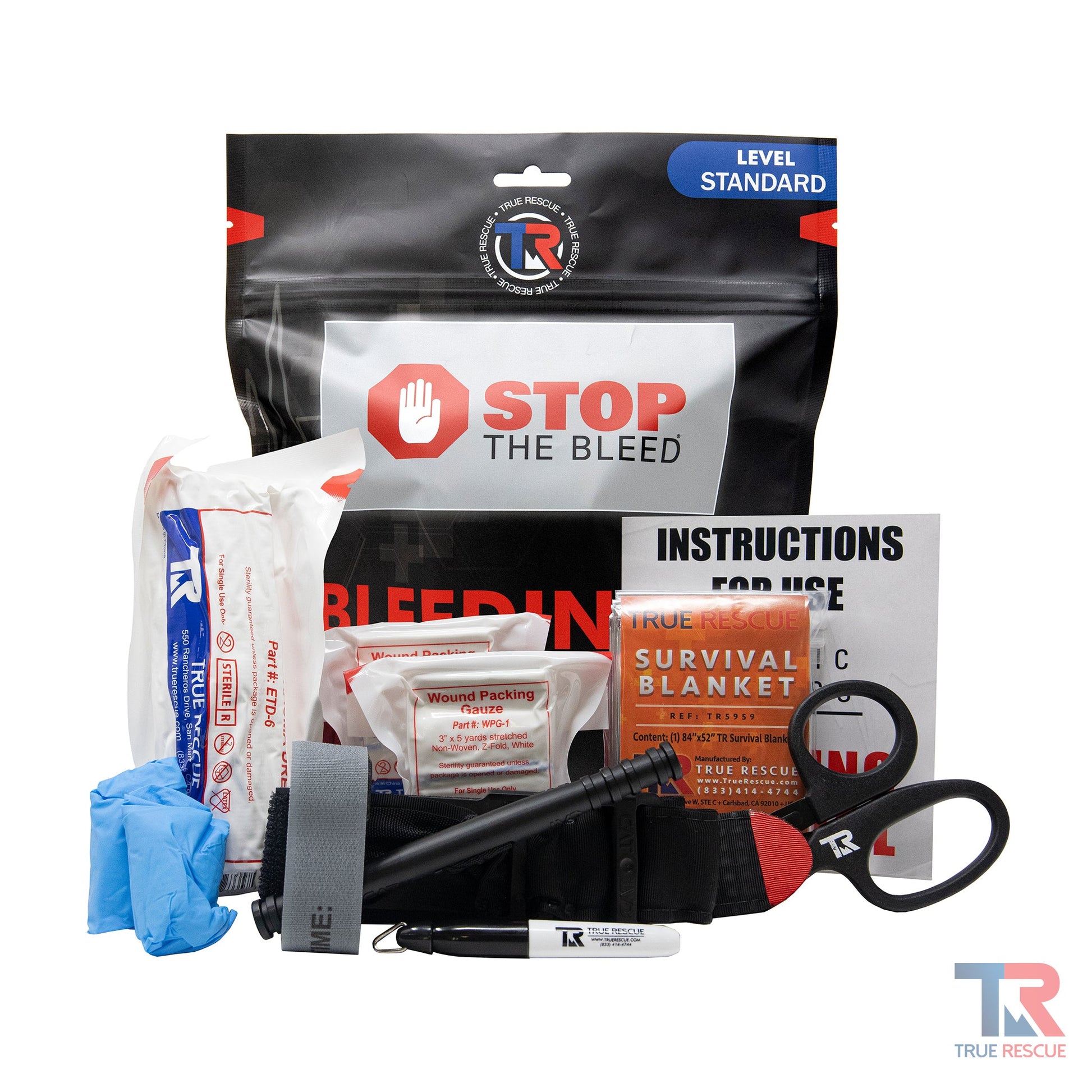
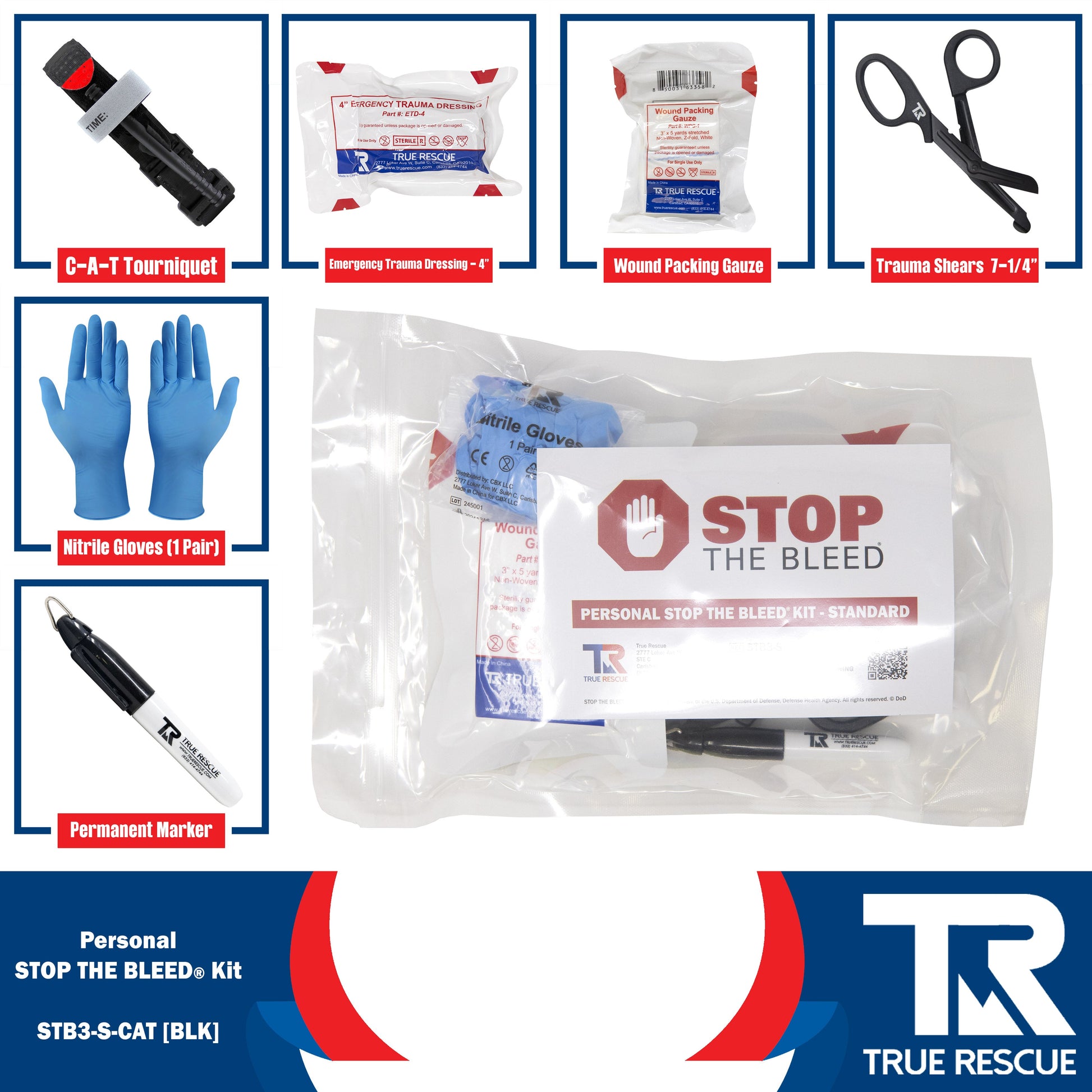
Shells, calls, phone, keys and a first aid kit all belong in something waterproof. A Large Waterproof MOLLE Pouch clips to a blind bag or boat, and the Waterproof Field Kit handles everything else.
FAQ
Will a waterproof shotgun case float?
A sealed case traps air and will typically float with the gun inside. The SealBags shotgun case floats.
Should I store my shotgun in a waterproof case?
Use it for transport and the field. When you get home, take the gun out, dry it and oil it. Any sealed case will hold moisture in just as well as it keeps moisture out.
Is IP67 the same as waterproof?
IP67 is a standardized waterproof rating: dust tight and protected against immersion to one meter for 30 minutes.
Why is the zipper so stiff?
The stiffness is what creates the seal. Give it a firm, steady pull and it will close fully.